Our history
Our history
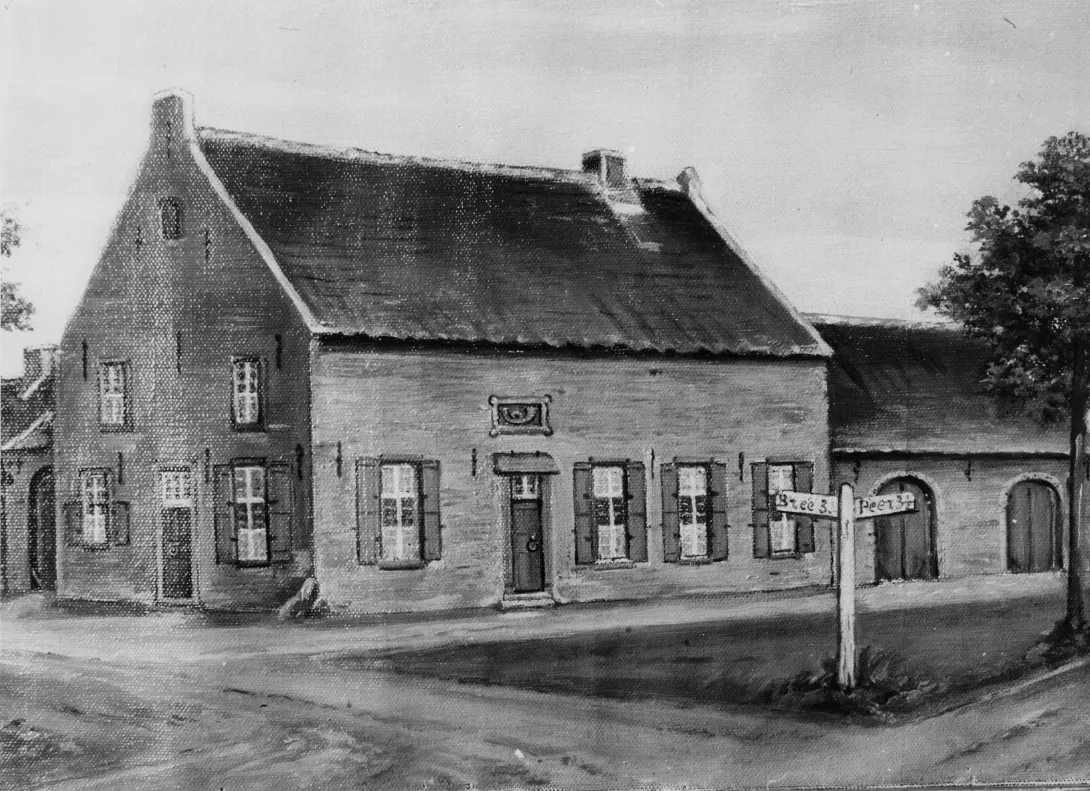
Our history begins in De Posthoorn, a coaching inn where the stagecoach was supplied with fresh horses, which Hendrik-Jan Spaas converted into a wax bleaching factory. Beeswax was bleached by exposing it to the sun and sold to monasteries and abbeys as a semi-finished product for making candles.
Theodoor Spaas, Hendrik-Jan's son, continues the business. He relocates the bleaching factory to Sint-Huibrechts-Lille. In addition to beeswax, he introduces a second raw material, paraffin.
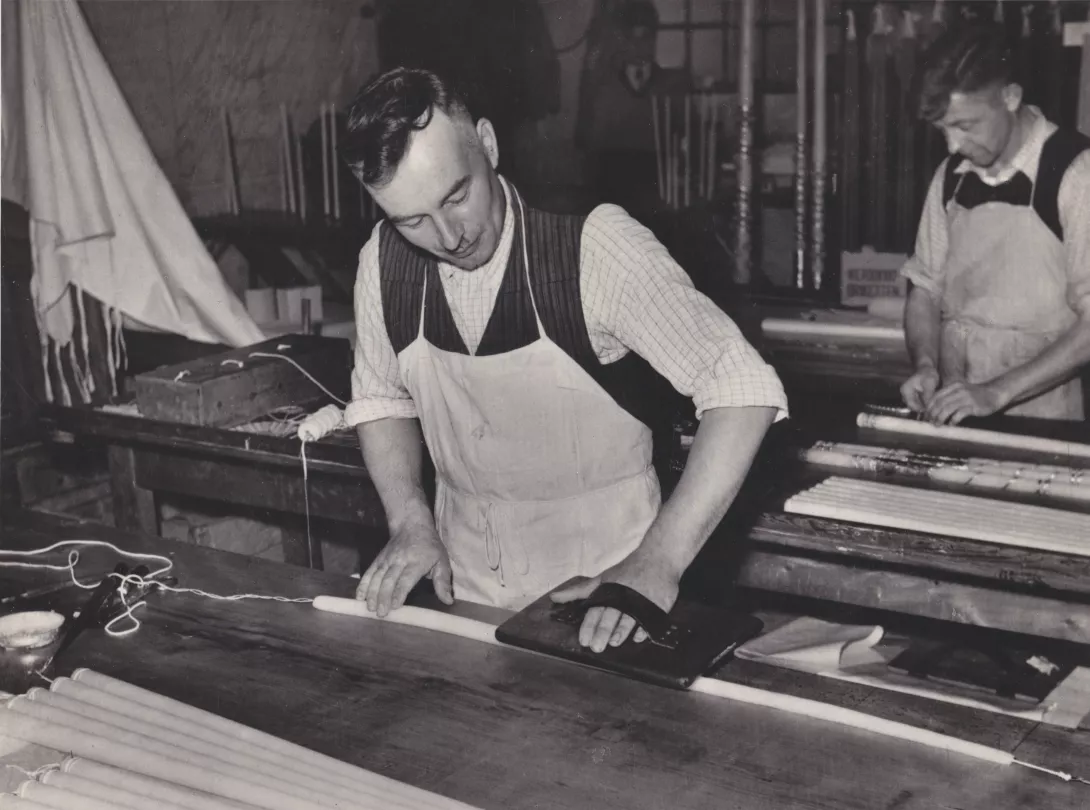
Brother Louis Spaas takes over the business and moves the bleaching factory back to Hamont. Churches start purchasing candles instead of bleached beeswax, so Louis decides to start producing beeswax candles. In 1911, the first machine is put into service, a mechanical dipping machine.
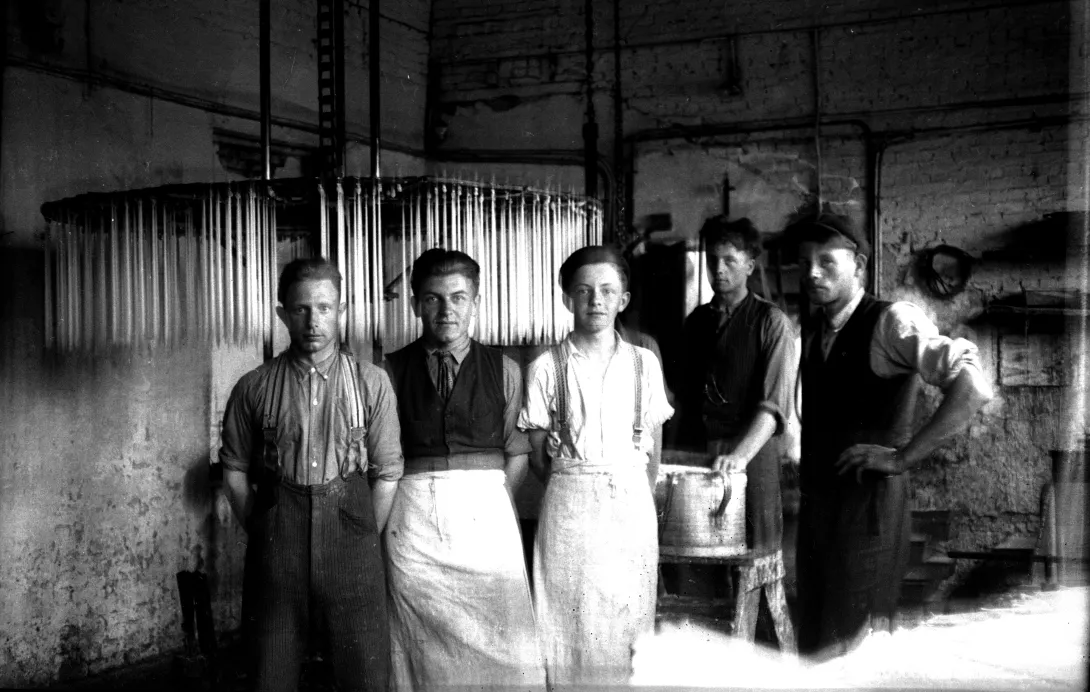
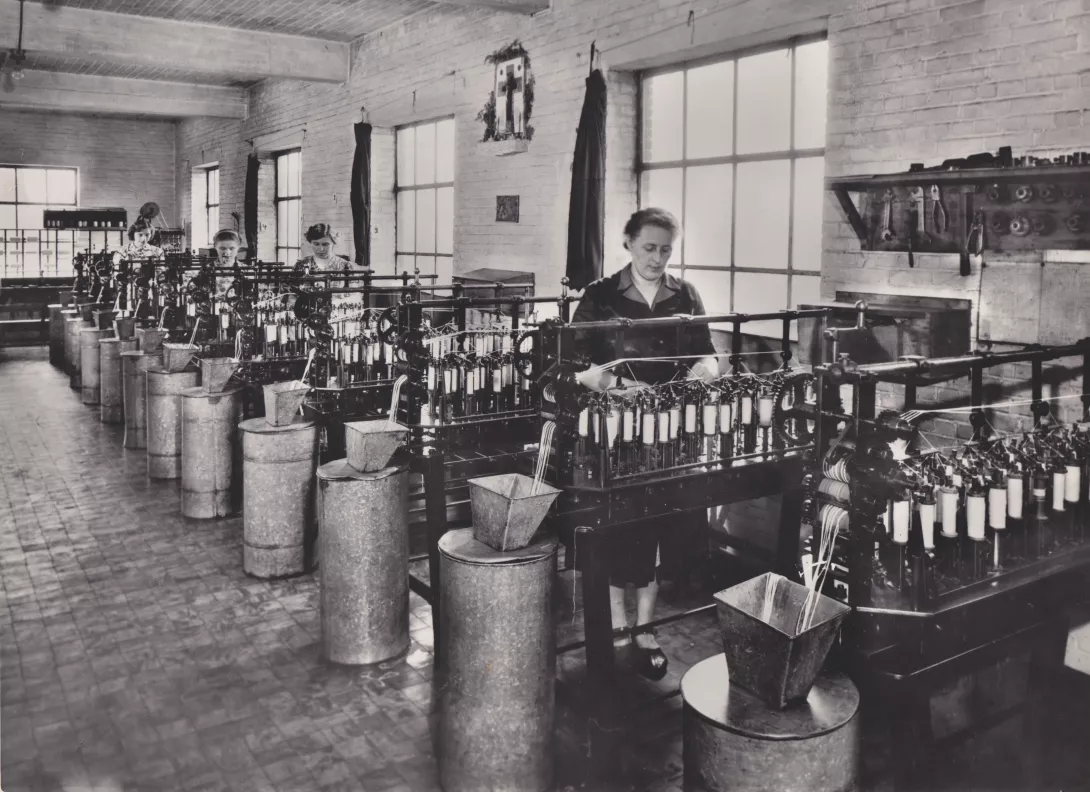
In 1920 and the years that followed, Louis' four sons – Gerard (1922), Henri (1925), Alfons (1928) and Jozef (1931) – further modernised the candle factory and expanded production to include household candles. In 1933, the casting machine was introduced, and in 1935, stearin was added as a raw material.
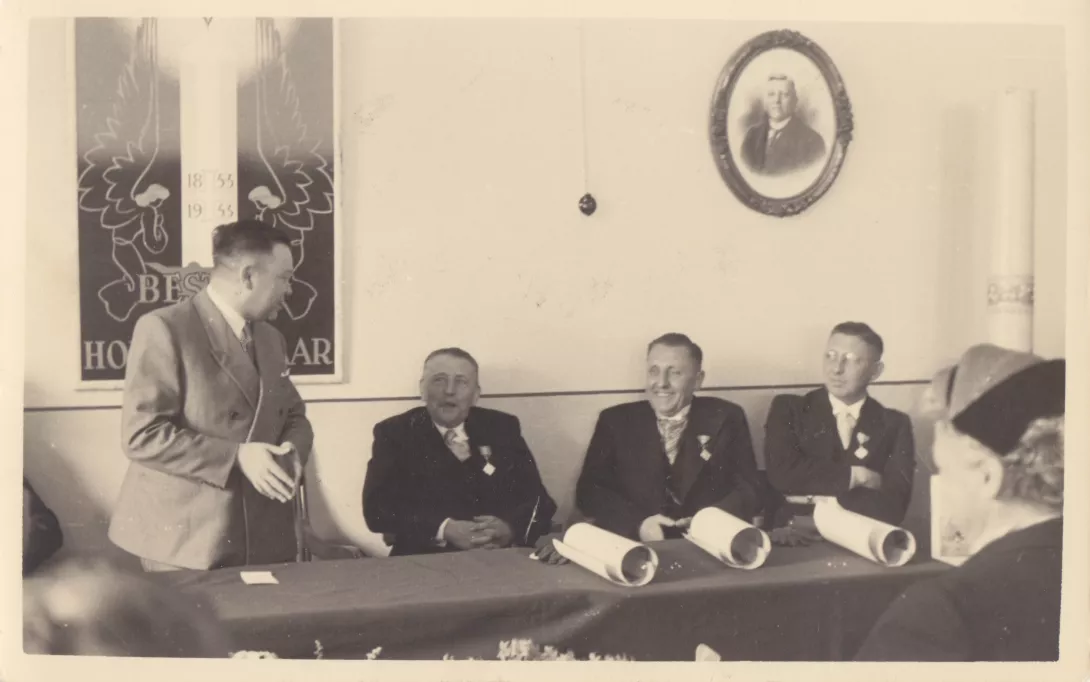
The company is now no longer just a supplier to the religious sector, but is also active in the profane sector with household, Christmas and table candles. The family business is being transformed into a public limited company called “Kaarsenfabriek L. Spaas en CO”.
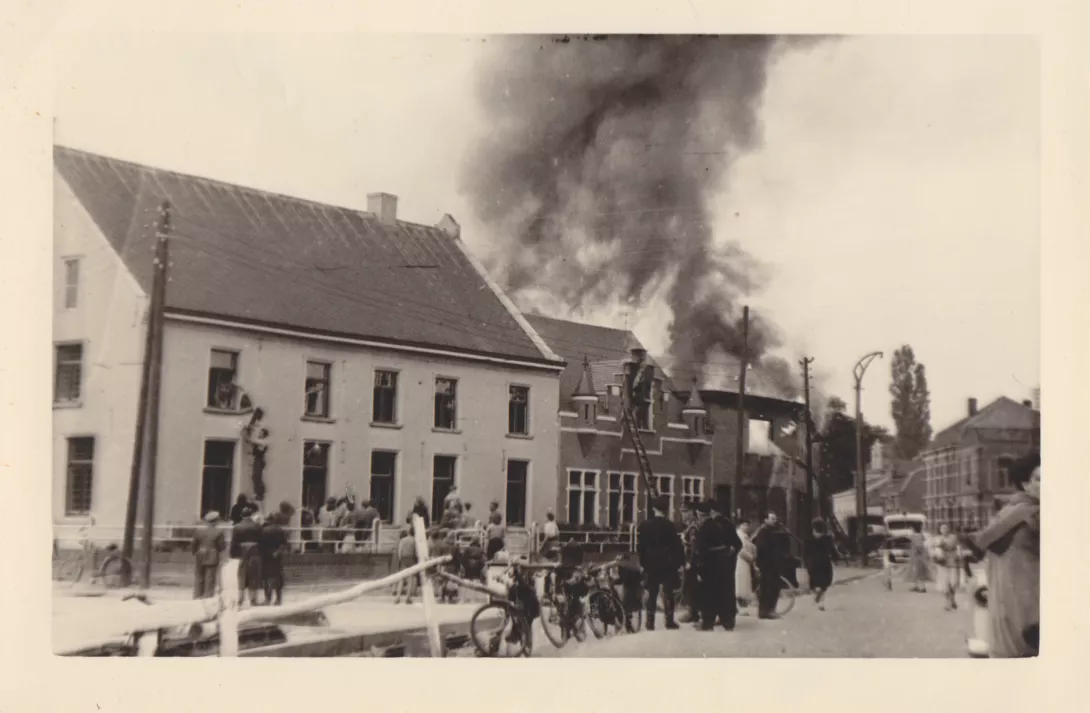
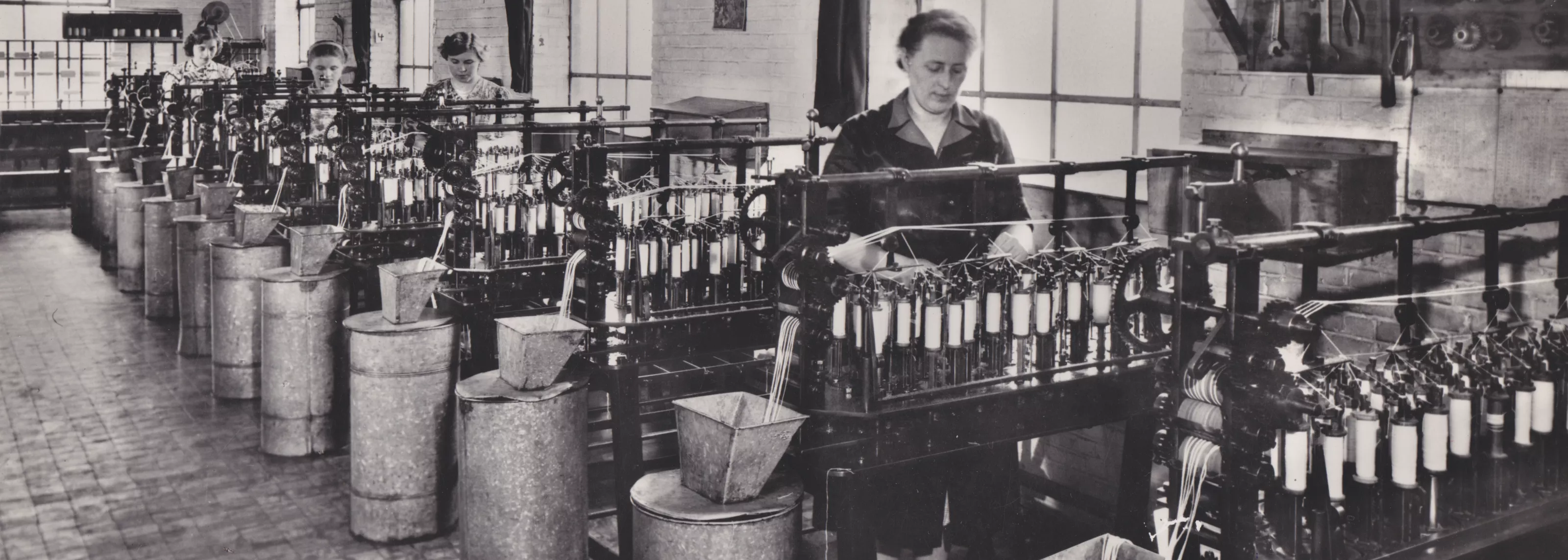
The company celebrates its 100th anniversary and has around 60 employees. Unfortunately, a year later, a fire breaks out and partially destroys the factory. Despite this, the Belgian company reaches a new milestone four years later: exporting to the Dutch, German and French markets.

André Rijcken, son-in-law of Gerard Spaas, continued the business in 1958 and soon introduced the first computer with punch cards. In 1975, Gerard Spaas, son of Jozef, started as production director and then took over from André Rijcken in 1978.
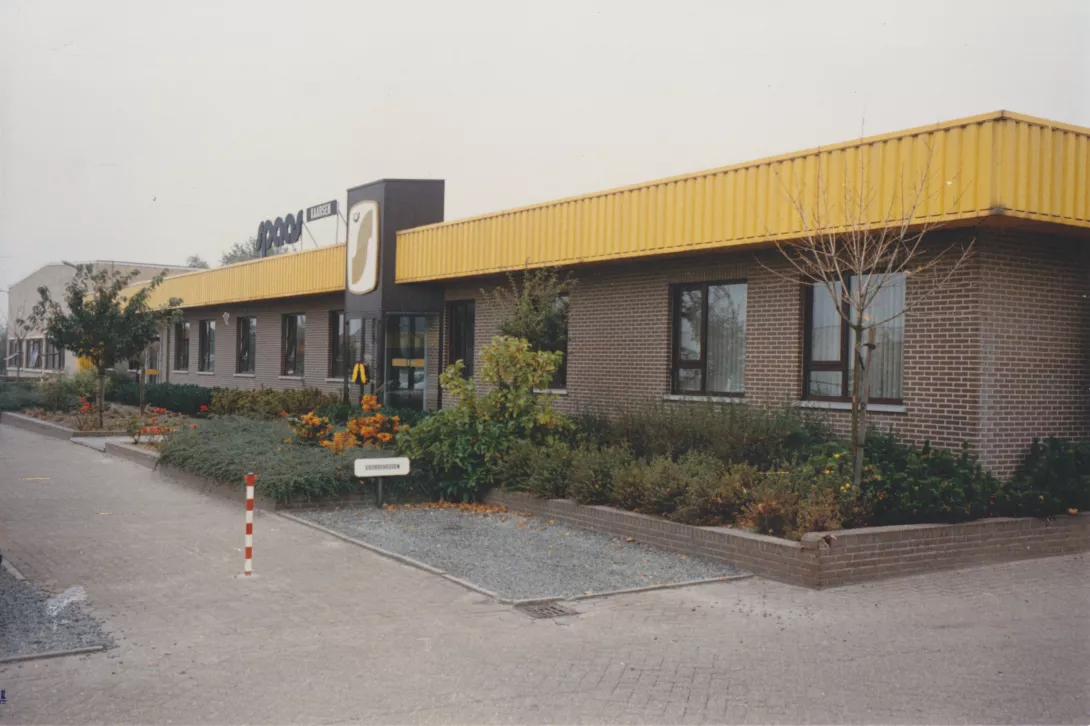
Under the leadership of Gerard Spaas, son of Jozef Spaas, the company relocates to a larger site on the industrial estate in Hamont-Achel, where it is still based today. At that time, demand for household candles and decorative candles had increased significantly. The markets in the Netherlands, France and Germany were also growing strongly.
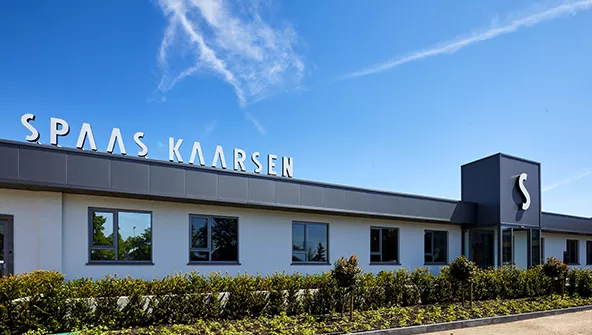
The company name changes from “Kaarsenfabriek L. Spaas en CO” to “NV Spaas Kaarsen”.
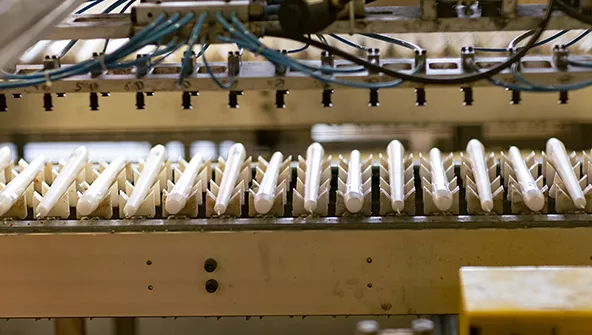
The production process is further expanded. New production lines, extrusion (the latest technology) and the automation of packaging activities are introduced. A few years later, the municipal council of Hamont-Achel officially declares the town the “candle town”, with the bronze monument “De Kaarsenmaker” (The Candlemaker) adorning the market square.
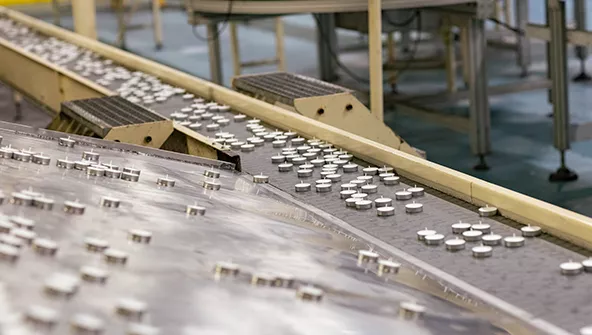
A computer-controlled mixing chamber and the first fully automatic tealight line are installed. Two years later, Gerard Spaas takes the initiative to centralise the family shares in one hand. This is vital for the continuity of the company.

After four years in various positions within the company, Ben Spaas takes over from his father Gerard, who remains active as chairman of the Board of Directors. Under Ben's leadership, Spaas embarks on an ambitious growth plan. Further international expansion leads to strong revenue growth. By 2011, Spaas will double its turnover.
In 2015, Sarah Spaas joins her brother in further expanding the Spaas brand. Both of Gerard's children are now active in the company.
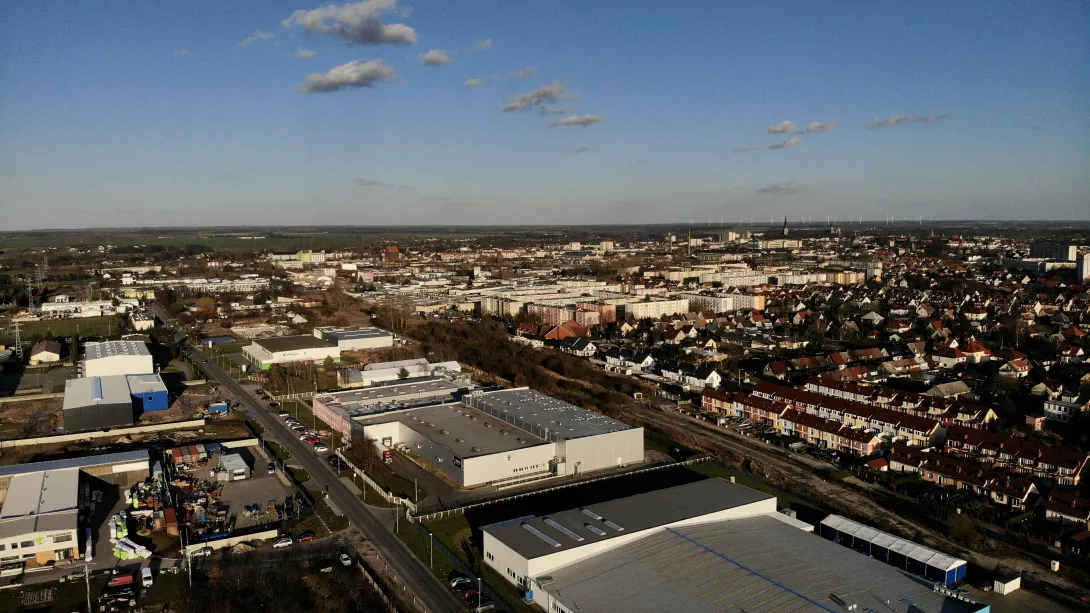
Under the leadership of Ben Spaas, Gerard's son, the production facility in Poland is launched. This is essential to the company's growth strategy, as demand for scented and glass candles is increasing. New concepts are emerging.
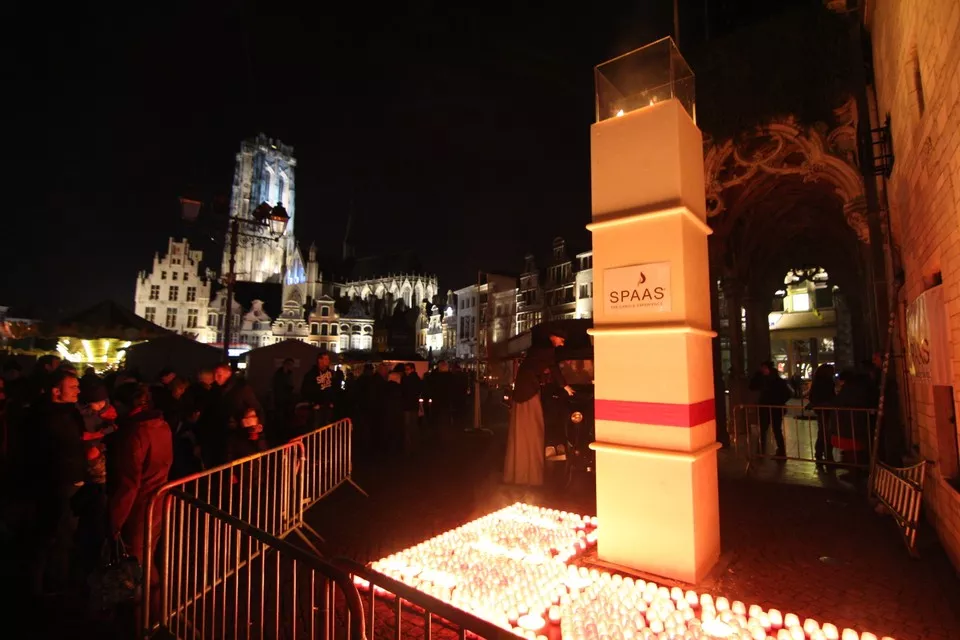
Spaas reinforces its reputation as a strong quality brand by obtaining the BRC quality label in addition to ISO9001. This is unique in the candle sector. Two years later, the company attracts attention in the context of an energy-saving campaign. Spaas illuminates the Mechelen “Blackout” Christmas market with a thousand candles and succeeds in lighting the largest candle in Europe at this Christmas market. The candle is 4 metres high and weighs approximately 2.2 tonnes.

In 2020, Spaas received the Fakkel Award from Voka – Chamber of Commerce Limburg, in recognition of a company with an exceptional track record. Two years later, Spaas won the prestigious Family Business Award of Excellence 2022. A crowning achievement for family entrepreneurship. Less than a year later, the company also wins the renowned Ambiorix Prize 2023 from the VKW-Limburg entrepreneurs' organisation and is also a finalist for Company of the Year 2023.

In 2023, Spaas Belgium will celebrate its 170th anniversary and Spaas Poland its 15th. To mark the occasion, Spaas took the entire company to Poland for a visit to the plant, followed by a grand celebration to round off the event.
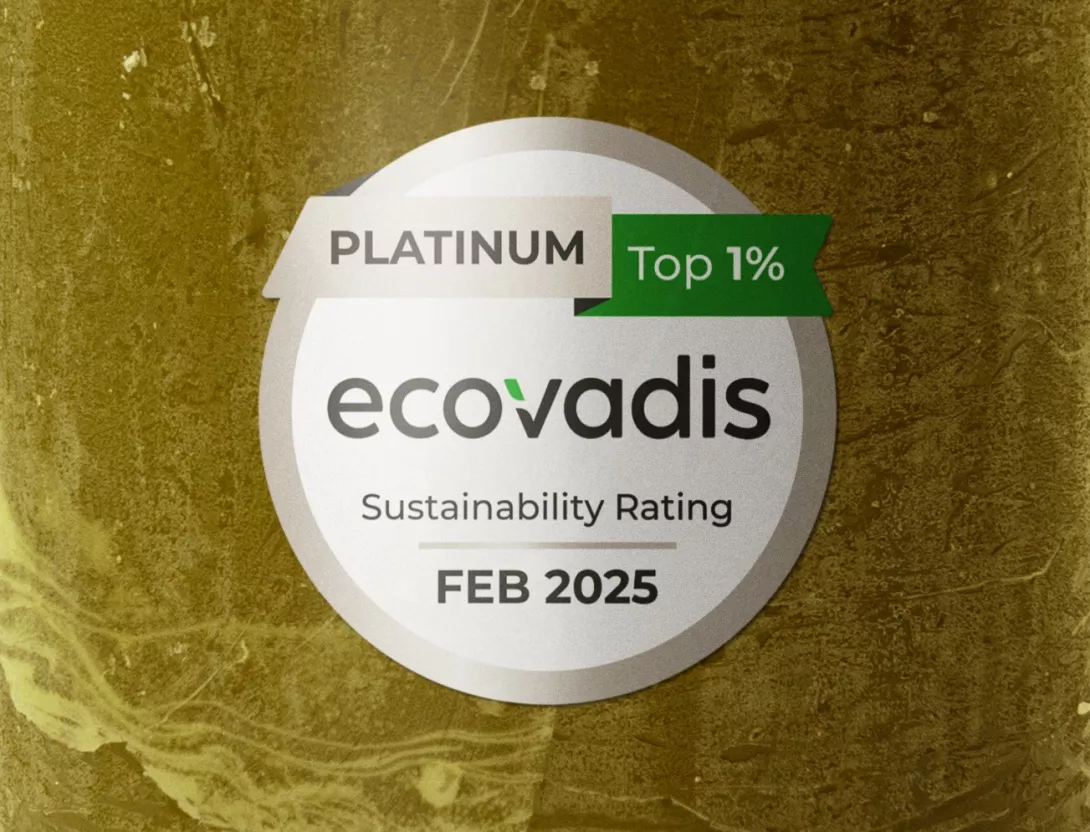
Following the launch of an extensive rebranding in autumn 2024, Spaas will exchange its EcoVadis Gold label for Platinum within a year. This places the company in the top 1% of best-performing companies in the field of sustainability. Spaas' main aim is to demonstrate that quality can go hand in hand with sustainability and responsible business practices.