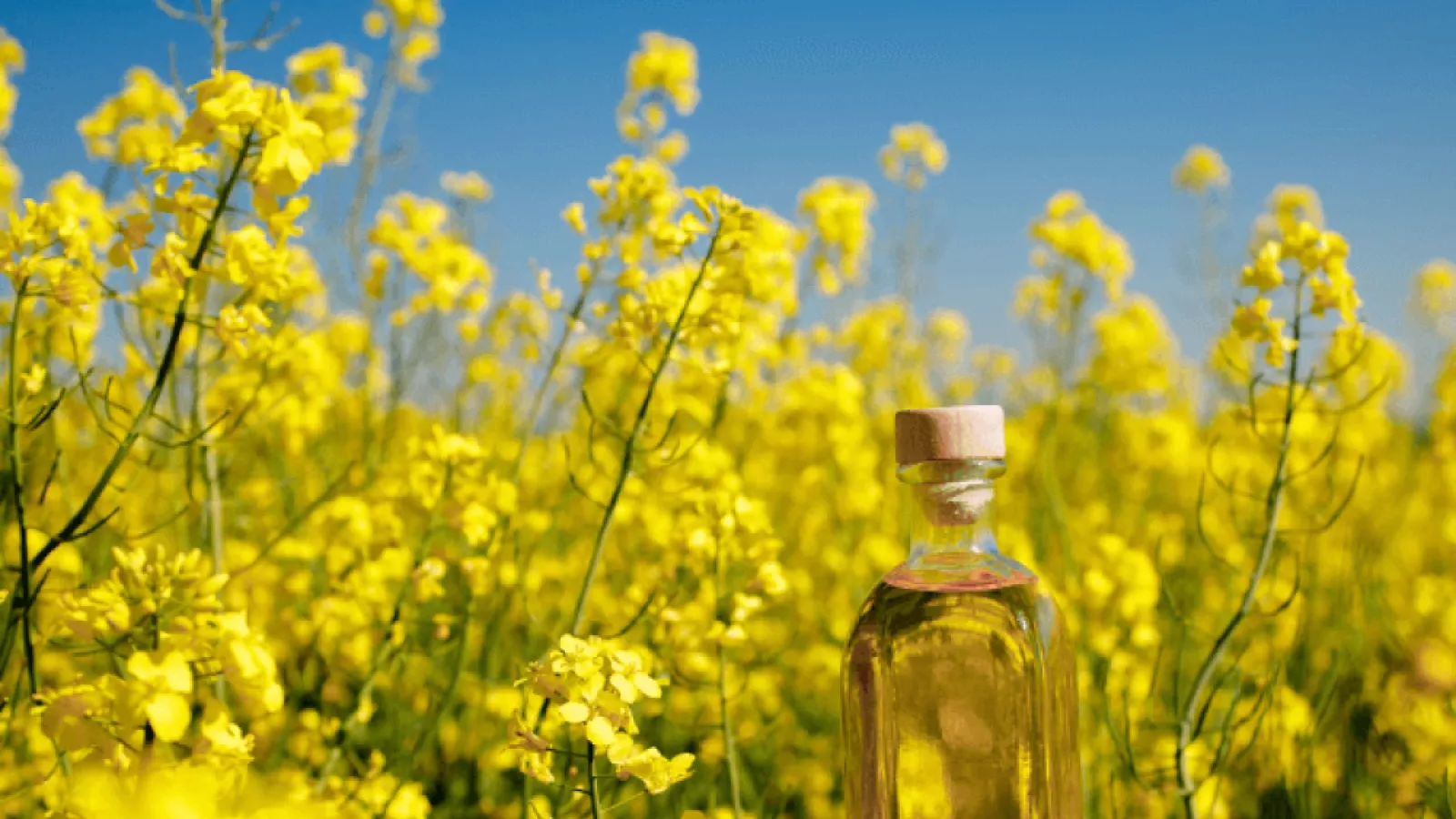
Rapeseed oil
- What? This is oil that comes from rapeseed.
- The advantages? It is plant-based, renewable and locally grown. In addition, it produces low CO2 emissions during cultivation and this raw material has a low impact on deforestation.
- The disadvantages? The availability of the raw material is lower and it has a higher price.
- Our approach? Strict European environmental regulations apply, which is why we at Spaas have chosen rapeseed oil as the ecological raw material for our candles in the long term. Our R&D team is continuously working on expanding its use in all products.
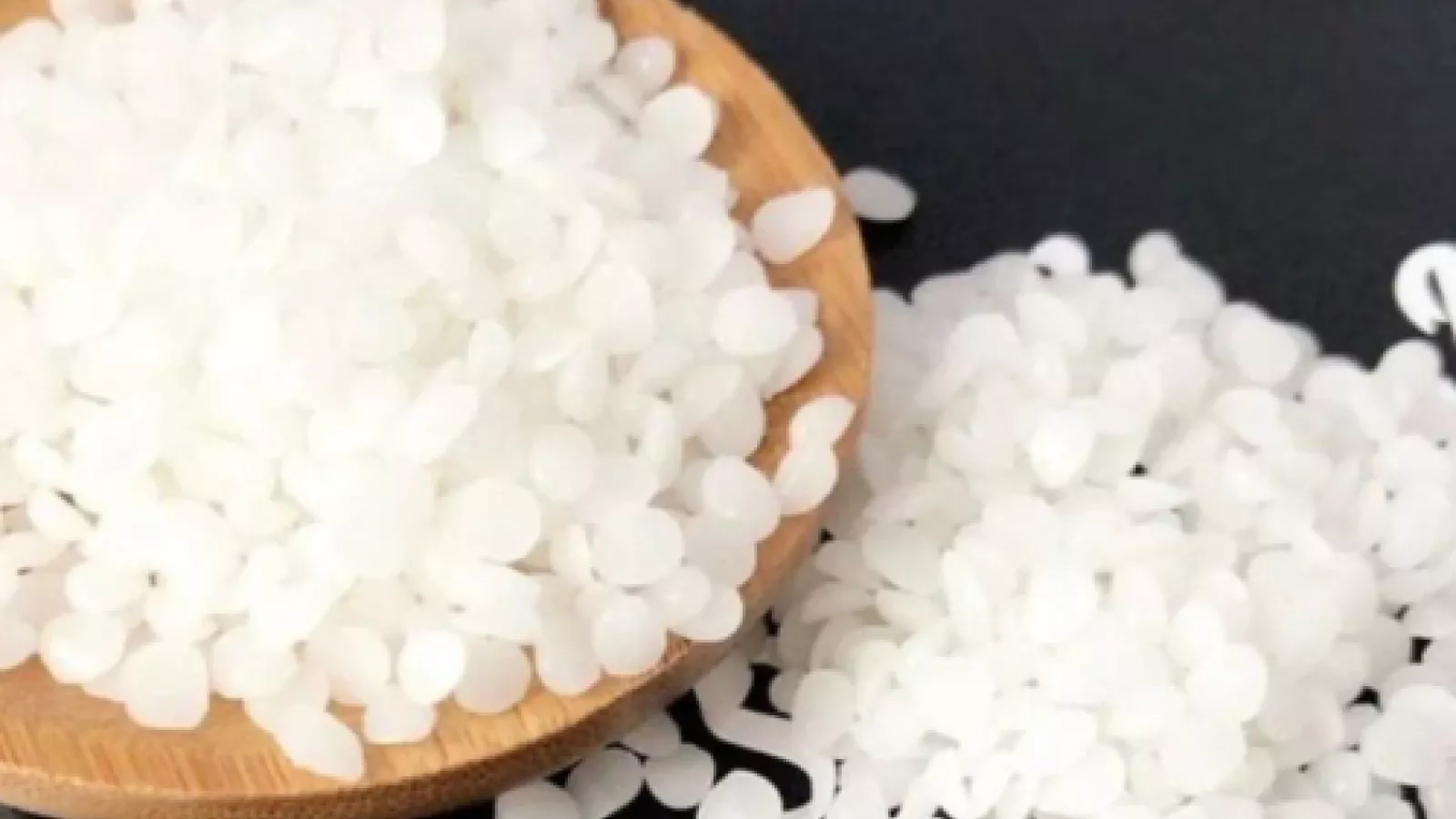
Paraffin wax
- What? Paraffin wax is derived from petroleum, a residual product of petrochemicals.
- The advantages? The residual waste is put to good use. The chemical structure of paraffin wax is also beneficial for colour and odour retention and is ideal for sturdy candles. It has a low impact on water consumption, ozone and deforestation.
- The disadvantages? Due to its fossil origin, it is not renewable, it has relatively high CO₂ emissions when burned and is not plant-based.
- Our approach? Despite the favourable Life-Cycle-Assessment (LCA) test results, we are phasing out the use of paraffin to reduce total CO₂ emissions.
*LCA tests are standardised, scientific methods for measuring the total environmental impact of a product.
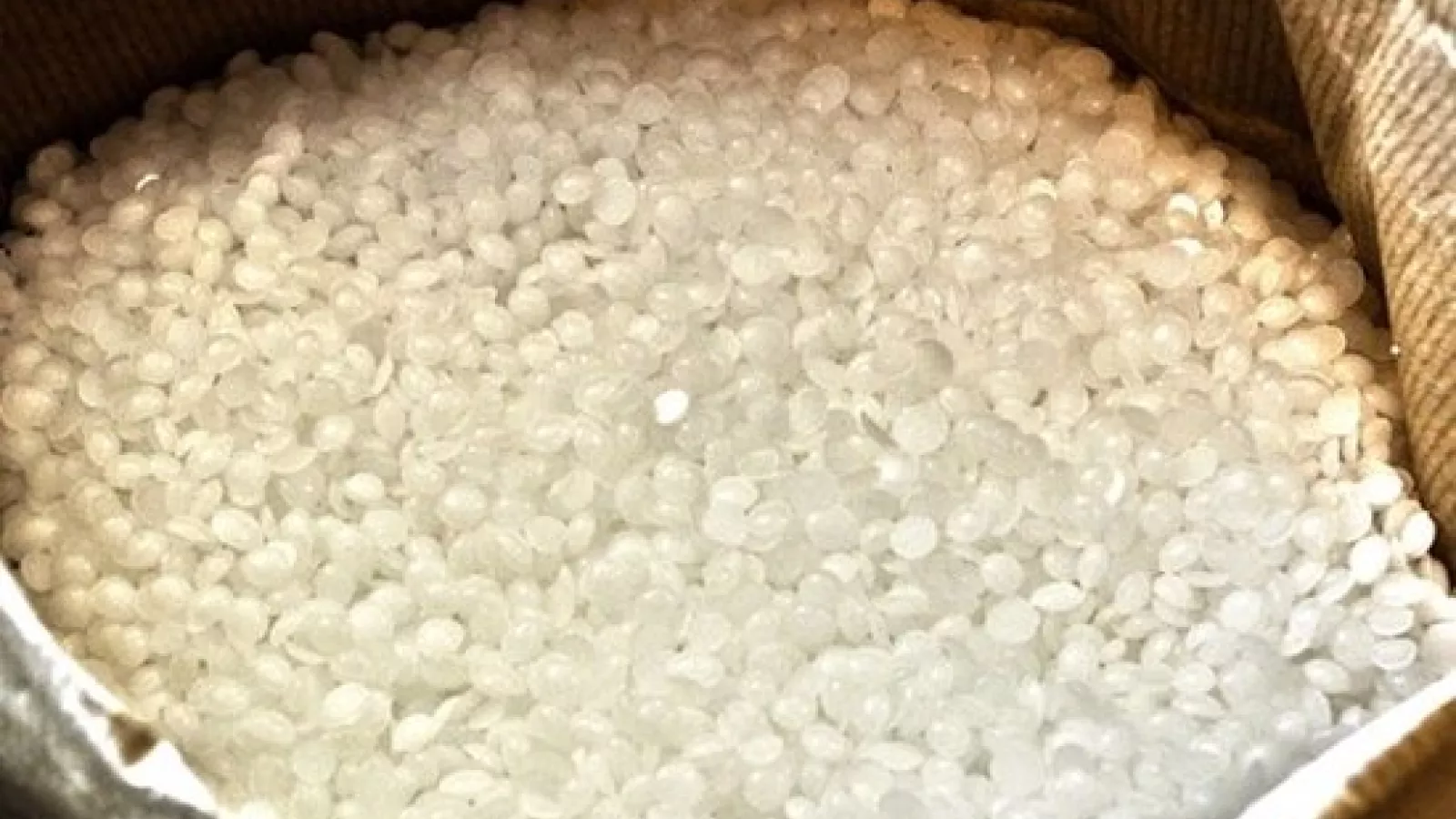
Animal stearin
- What? Animal stearin is a by-product of animal fat (such as in meat processing).
- The advantages? The residual products are put to good use. It has a high melting point, which is good for pillar candles, and it has a low carbon footprint.
- The disadvantages? It is not vegan and its supply is not stable.
- Our approach? It is a climate-friendly choice where appropriate and is particularly popular in Scandinavia.
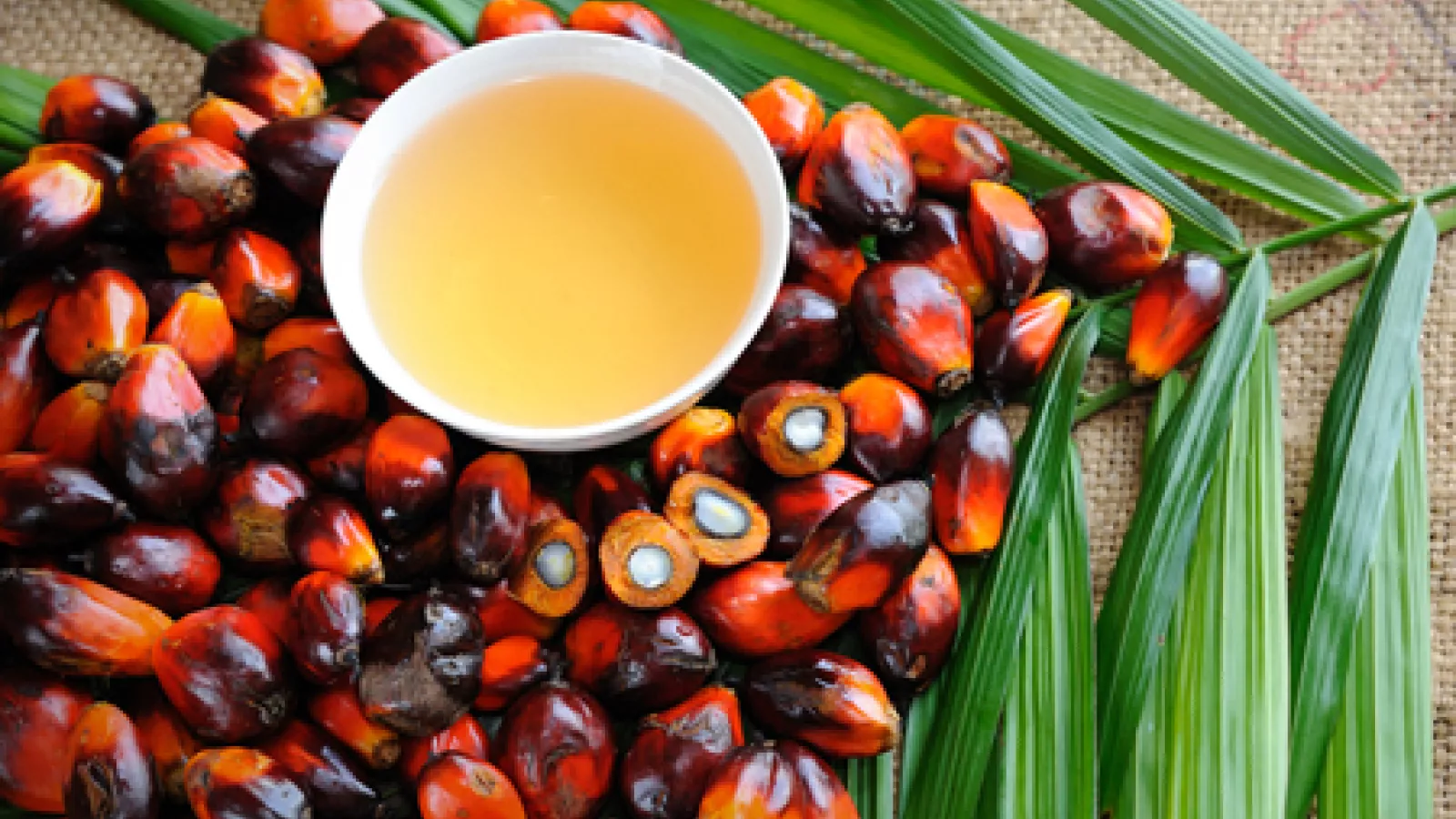
Palm oil
- What? This is oil from the fruit of the oil palm.
- The advantages? It is plant-based and renewable with a high yield per hectare. It is affordable and efficient to use.
- The disadvantages? It is not grown locally and is often the subject of public debate on deforestation and biodiversity.
- Our approach? We only use RSPO-certified palm oil and have been a member of the RSPO since 2013.